The modern world does not place boundaries on business. Companies can expand internationally with minimal investment because of the benefits of international licensing. Licensing their brand, technology, or products to local partners will enable the business to penetrate new markets, exploit cross-border opportunities, and fast-track international business development.
It is a way of ensuring that companies can penetrate foreign markets at a faster rate, with fewer risks taken, and that the preferences of the local customers are known. Foreign market entry is easy and economical since licensed partners are already aware of the local regulations and market trends. International licensing is a brilliant idea regardless of whether you are a startup or an already existing company wishing to make a global move, generate more revenue, and build a more robust brand presence.
Start Your Global Business
Journey Today
Whether you're launching a new venture or expanding globally, our experienced advisors provide tailored corporate and banking solutions designed for long-term success.
What Is Licensing in International Business?
International licensing (or licensing in international business) is an agreement where a company grants a foreign business the right to use its brand, patent, technology, or products in exchange for a fee or royalty, allowing market entry without the cost of setting up operations abroad. This may involve licensing trademarks, patents, or even complete business models such as franchises. It allows companies to go global without the high costs of establishing new offices or plants. Through licensing, businesses are able to secure their intellectual property, but at the same time venture into international markets with more security.
This is the best strategy to use when a company wishes to expand without exposing itself to excessive risks. The local partner does the production, distribution, and marketing rather than taking care of all the details in another country. This allows global business growth to be quicker and less expensive, allowing companies to explore their own business while also enjoying the international prospects.
Example: A beverage company might license its brand and formula to a local bottler in another country; the bottler handles production, distribution, and local marketing, while the original company earns a royalty on every unit sold, without building a single factory abroad.
Licensing is just one route into a foreign market; many companies pair it with, or later transition to, setting up their own legal entity abroad. If you're also considering that path, see our International Company Formation: Complete Global Guide for a full breakdown of the setup process.
Why Companies Choose International Licensing

International licensing is an option used by companies in a bid to enter new markets within a short time at minimal cost. Through collaboration with local businesses, they are able to access the global market without the hassles of operating in a foreign environment by leveraging their infrastructure or regulations. This approach builds a risk-taking expansion channel that is appealing to startups and established organizations wishing to expand abroad.
Licensing is also useful in establishing brand awareness in new locations and provides opportunities for cross-border collaboration. The foreign market entry will be a lot smoother and more efficient since the local partners are already aware of the market and what customers want. The licensing option allows the company to earn a secondary income in terms of royalties and also increase its presence in the global market without the huge costs of capital and operations associated with conventional expansion.
Licensing as an International Market Entry Mode
Licensing is one of several ways companies expand internationally, alongside exporting, franchising, joint ventures, and foreign direct investment (FDI). Compared to these alternatives, licensing typically requires the lowest upfront investment and carries the lowest direct operational risk; the trade-off is less day-to-day control over how your brand or product is represented in the foreign market.
This makes licensing a strong fit for companies that want fast international presence without committing significant capital, and a weaker fit for companies that need tight control over quality, pricing, or brand experience in every market.
| Entry Mode |
Investment Level |
Control |
Risk |
| Licensing |
Low |
Low |
Low |
| Franchising |
Low–Medium |
Medium |
Low–Medium |
| Exporting |
Low |
Low |
Low |
| Joint Venture |
Medium–High |
Medium |
Medium |
| Foreign Direct Investment (FDI) |
High |
High |
High |
If your business is still early-stage and weighing licensing against building your own operations from the ground up, our Complete Guide to Startup Company Formation for Entrepreneurs walks through what that alternative path looks like.
The Benefits of International Licensing
International licensing is a less risky approach to expansion because it is relatively easy to implement globally. It is an intelligent method for companies to expand, earn more, and build their brand without significant investments. Key benefits include:
- Revenue Growth and Royalty Income: The companies receive royalties as local partners run the business, which becomes a source of passive revenue and enables making a profit when entering the market.
- No Offices or Factories Overseas: Cost-Effective Expansion. Since licensing incurs no offices or factories overseas, cost-effective expansion can be made with low financial risk.
- Strategic Advantage and Brand Recognition: Cross-border partnerships are developed through partnerships with local operators, and the visibility of the international brand is improved.
- Protection by Law and Regulation: Intellectual Property and adherence to local legislation. The companies are secure under local laws and regulations, as well as licensing provisions, allowing the company to concentrate on expansion.
- Quick Market Experimenting and Adaptation: Businesses do not have to invest heavily to learn local tastes and preferences and modify their products just to get into the new market.
Concisely, international licensing is ideal since it has many advantages; it offers faster globalization, increased revenue, good brand promise, and lower risks. This is a brilliant business strategy that can be adopted by any company wishing to achieve international recognition.
Potential Drawbacks to Consider
Licensing isn't risk-free. Common trade-offs include:
- Less control: over how your brand, product quality, or customer experience is managed by the local partner
- Lower revenue share: compared to fully owning the foreign operation, since royalties are typically a percentage of sales, not full profits
- IP exposure risk: if licensing agreements or local enforcement are weak, particularly in markets with limited trademark/patent protection
- Dependency on partner performance: a poorly chosen local licensee can damage brand reputation in that market
These risks are manageable with a well-structured licensing agreement and the right local partner, which is where working with an experienced advisor makes the difference.
How to Get Started With International Licensing
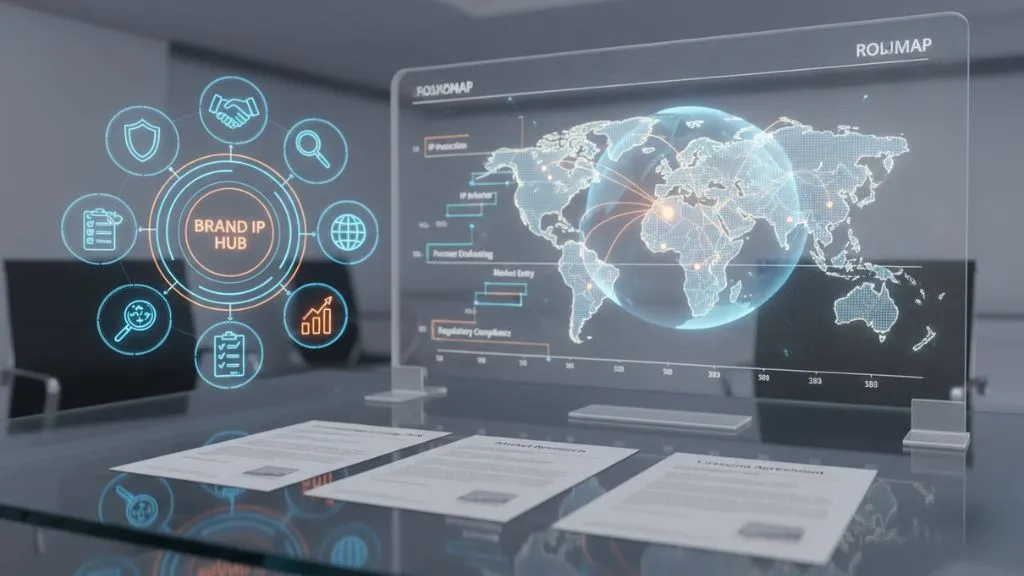
Starting with international licensing doesn't have to be complicated. The first thing is to determine what to license, such as a trademark, patent, or franchise, and also what markets are most viable. Conducting a study on the target market could also be useful in ensuring that your product or service is meeting the demand locally and enables the establishment of good cross-border relationships.
The second step is to develop a well-defined licensing commitment to safeguard your intellectual property and comply with the local regulations. Registered agent or business registration services are services offered by many businesses to facilitate the process of meeting legal requirements.
They must select the appropriate local partner who will direct the marketing, operations, and customer services as you concentrate on growth. Lastly, monitor performance and change your strategy accordingly. Through intelligent planning, affordable growth, and trusted partners, businesses will be able to make international licensing an effective means of attaining globalized business growth.
Many businesses structure their licensing operations through an offshore entity for tax and operational flexibility. Learn more in our Offshore Company Formation: Grow Your Business Globally guide.
Why Trusted Services Like Neptune Fiduciaries Group Make Licensing Easy
Licensing is not an easy task that should be taken on by international firms, but it is made easy through the trusted services offered by Neptune Fiduciaries Group. They deal with registered agent services, registering an offshore company, IBC Formation, registering a trust and a foundation, opening a bank account, and ensuring that your business registration and licensing agreements comply with local regulations.
Neptune Fiduciaries Group also introduces you to trusted local partners to run businesses and make marketing partnerships to establish robust cross-border alliances and entry into foreign markets. It enables companies to concentrate on growth, revenue, and brand development as professionals deal with the legal and operational aspects.
Through the collaboration of a professional service, the benefits of international licensing can be experienced in a secure, efficient, and cost-effective manner by businesses.
Explore Our Insurance Licensing
Start Your Global Business
Journey Today
Whether you're launching a new venture or expanding globally, our experienced advisors provide tailored corporate and banking solutions designed for long-term success.
Conclusion
The choice of global expansion for a business does not have to be tricky or dangerous. International licensing is a smart move for all companies, whether small or big since it enables them to increase revenue, create brand awareness, and venture into foreign markets with minimal investment.
Companies can use cross-border alliances, safeguard their intellectual property, and experiment in new markets by licensing trademarks, patents, products, or business models. The whole process is even easier when one works with such trusted services as Neptune Fiduciaries Group.
Professional assistance will help you start and move successfully through the process of licensing internationally, including compliance and registering a business, as well as finding partners to cooperate with.
FAQs
What is licensing in international business?
It's an agreement where a company allows a foreign business to use its brand, patent, or product in exchange for royalty payments, enabling market entry without direct investment abroad.
What are the disadvantages of international licensing?
The main trade-offs are reduced control over brand representation, lower revenue share than direct ownership, and IP protection risks in markets with weaker enforcement.
What type of company benefits most from international licensing?
Companies with strong, established brands or proprietary technology but limited capital for direct overseas investment typically benefit most, since licensing monetizes existing assets without high upfront cost.
Is licensing a good method for entering global markets?
Yes, for companies prioritizing low-risk, low-cost expansion, though it suits brand/IP-driven businesses better than those needing tight operational control abroad.