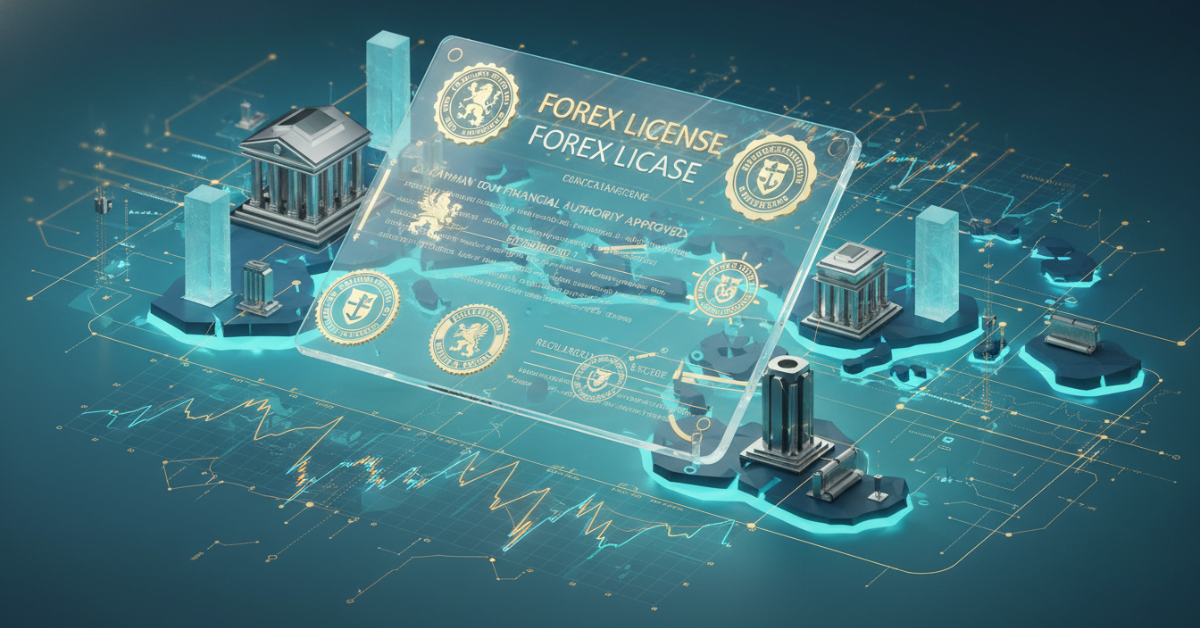
A large number of businesses in the present day would like to venture into the forex market with secure offshore destinations, and one of the safest orders that has been highly depended upon is the Cayman Islands forex license. The Cayman Islands is a reputable offshore financial center that hosts international corporations to establish brokerage and trading activities due to its stability.
The meaning of the Cayman Islands brokerage license is easy to understand; it is a license granted by the Cayman Islands Monetary Authority (CIMA) that enables companies to provide forex trades legally. A forex trading license introduction is sought by many investors in this region as it provides regulation, privacy, and tax-friendly advantages, which makes it a popular offshore financial centre, the Cayman Islands.
When individuals seek a forex/brokerage license, they tend to seek a sure means of constructing a forex brokerage arrangement offshore. The Cayman Islands' offshore forex regulation system assists businesses to remain compliant and earn global credibility, and operate in a flexible global environment.
Start Your Global Business
Journey Today
Whether you're launching a new venture or expanding globally, our experienced advisors provide tailored corporate and banking solutions designed for long-term success.
What is a Cayman Islands Forex License?
A Cayman Islands forex license is an official approval from the Cayman Islands Monetary Authority (CIMA) that allows a company to legally run forex trading and brokerage services. It belongs to the Cayman Islands brokerage license sense and is frequently employed in the offshore forex regulation Cayman Islands system for trusted financial operations.
To put it into plain words, the forex trading license explanation goes as follows: the license allows the businesses to manage an offshore forex brokerage establishment, but with minimum compliance requirements such as AML and KYC regulations. This renders the Cayman Islands an attractive offshore and financial centre for international business organisations.
A Cayman Islands forex license is also useful in enabling companies to gain trust in the framework of CIMA-regulated forex brokers and thus find it easy to deal with international clients and international banks as they grow across the globe.
Also Explore:
Comoros Forex License: Complete Guide for Forex Brokers
Why Choose the Cayman Islands for a Forex Brokerage?

The Cayman Islands is a good destination for brokers due to its robust and reputable offshore financial platform. A Cayman Islands forex license is sought after by many companies because it falls under the offshore forex regulation Cayman Islands structure, which underpins international trading corporations with stability and credibility.
It also falls under the Cayman Islands Monetary Authority (CIMA), and it makes sure that it complies properly with AML and KYC regulations. This CIMA-controlled forex brokers system provides businesses with a safe and transparent method of operating, but still reaps the flexibility of offshore.
The other reason is that there is a good business environment, such as tax neutrality and easy access to global banking. The meaning of the Cayman Islands brokerage license is straightforward; it assists companies in establishing a stable forex brokerage structure offshore with an international trust and long-term growth opportunities.
Also Explore:
Complete Guide to St Lucia Forex License & Broker Setup
Types of Forex Licenses in the Cayman Islands
The Cayman Islands have different types of licenses that govern forex and investment activities. Under the offshore forex regulation of the Cayman Islands, a Cayman Islands forex license is granted based on the business model, services, and volume of trading activity. These licenses are aimed at supporting an appropriate forex brokerage arrangement offshore whilst remaining compliant with CIMA regulations.
-
Securities Investment Business License: It is the most widespread license in forex brokers and trading companies. It enables companies to provide trading services, CFDs, and investment products with a Cayman Islands brokerage license. It is completely controlled by CIMA-regulated forex brokers' standards and necessitates appropriate AML and KYC procedures.
-
Broker-Dealer License: It is a license for companies that trade on behalf of clients in the forex market. It facilitates a full brokering license framework of forex trading in which brokers are intermediaries. It is common among companies that deal with liquidity and trade execution services.
-
Fund Management License: This license is employed to operate pooled funds, hedge funds, or forex investment portfolios. It is prevalent in the offshore financial hub of the Cayman Islands, where it enables global fund activities under strict regulatory reporting. It protects the investors, as well as ensuring financial transparency.
-
Advisory License: It is a license applied to businesses that provide forex or financial advice and do not deal with the funds of clients. It is appropriate for consultancy companies and trading gurus. Although this is in a lighter structure, it still adheres to offshore forex regulation and Cayman Islands compliance rules.
-
Limited Trading License: This is a limited license for a small-scale or start-up forex business. They will commonly test a forex brokerage arrangement offshore before going global. It is less permitted and, however, needs basic regulatory approval from CIMA.
The Cayman Islands' forex license system has several types of licenses that are based on the business requirements of companies and assist businesses in deciding on the most appropriate structure to achieve growth, compliance, and global forex activities.
Also Explore:
Top 10 Jurisdictions to Establish a Forex Brokerage Business
Step-by-Step Process to Obtain a Cayman Islands Forex License
The issuance of a Cayman Islands forex license is a processed legal procedure as stipulated in the rules of CIMA. It makes certain that your offshore forex brokerage arrangement meets international offshore forex regulation, Cayman Islands criteria, and is legally offshore in the international financial market.
-
Incorporation in the Cayman Islands: The first thing to do is to open a legal company in the Cayman Islands and then request any licenses. This company will form the legal foundation of your forex brokerage arrangement offshore and must be licensed by the Cayman Islands brokerage. In its absence, the licensing process will not proceed.
-
Prepare Required Documents: Second, you will need to read documents such as the business plan, shareholder details, IDs, and compliance policies. CIMA-regulated forex brokers also require AML and KYC documents. Adequate documentation enhances the chances of approving the forex trading license explanation process.
-
Send Application to CIMA: The application is sent to the Cayman Islands Monetary Authority (CIMA) after preparation. They examine your business structure, business model, and financial plan. This will make sure that your offshore financial center, the Cayman Islands, complies with all legal requirements.
-
Compliance Review Process: CIMA examines AML policies and risk systems, and operations. They can request additional documentation in case of necessity. This guarantees compliance with all offshore forex regulation requirements in the Cayman Islands.
-
Final Approval and Issuance of a License: Upon approval, the official Cayman Islands forex license is granted to you. This allows you to legally conduct forex brokerage services across the globe. It assures you that you are in a controlled international forex market.
This is a non-complicated process that is completely governed by CIMA. All steps are legal and transparent. It assists in establishing an offshore trusted forex brokerage arrangement. That is the reason why the Cayman Islands are preferred by many companies.
Also Explore:
How Much Does It Cost to Start a Forex Brokerage?
Cost of Cayman Islands Forex License in 2026
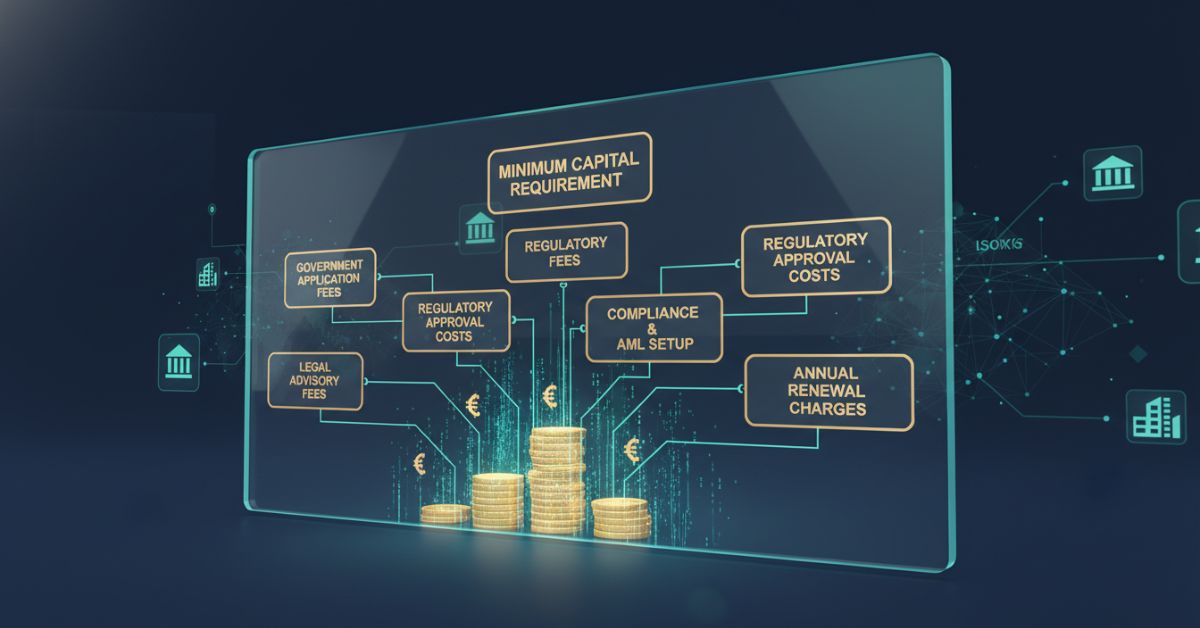
Obtaining a Cayman Islands forex license in 2026 is associated with several government fees, set-up costs, and compliance costs. The overall cost is based on the company structure, size of the business, and the regulatory provisions made in the offshore forex regulation Cayman Islands framework. The majority of the companies are cautious in their budgeting as it is a premium offshore jurisdiction, the Cayman Islands, with stringent CIMA standards.
-
Company Formation Cost: The initial investment is the registration of a company in the Cayman Islands, which normally costs USD 8,000 to 15,000. This will cover legal establishment, incorporation, and simple administrative charges. Before any process of applying to any Cayman Islands brokerage license or a forex trading license explanation is done; it is required.
-
CIMA Application Fee: The CIMA licensing fee tends to range between USD 1,000 and USD 3,000 based on the type of license. This fee is paid when submitting your offshore forex brokerage setup application. It guarantees that your business will be taken through the official review process in the CIMA-regulated forex brokers' standards.
-
Government Licensing Fee: The main licensing fee is usually around USD 50,000 to 125,000 in 2026. This is the high cost of a Cayman Islands forex license, which needs to be approved and operated. It is based on your business model, capital structure, and category of regulation.
-
Compliance & Operational Cost: The AML, KYC, audits, and reporting can cost USD 10,000 to 30,000 annually. These expenses take care of your offshore forex regulation in the Cayman Islands, with commitments being well-maintained. To comply with CIMA standards, many firms employ local compliance officers.
-
Bank Account & Maintenance Cost: The establishment of a corporate bank account and its financial activity may cost approximately USD 5,000 to 15,000. Other banks might demand extra deposits or a service fee. This is a must-have step to operate a complete offshore forex brokerage system.
The overall cost of a Cayman Islands forex license set up in 2026 may be USD 70,000 to 150,000+ based on structure and compliance requirements. It is a high-quality jurisdiction that has high trust and regulation. It is preferred by businesses due to international credibility and flexibility in offshore operations. This investment assists in creating a stable and lasting forex brokerage arrangement offshore.
Also Explore:
Forex Brokerage Business Plan: Ultimate Profit Guide
How Neptune Corporate Helps You Get a Cayman Islands Forex License
Obtaining a Cayman Islands forex license may be tedious because of the rigorous CIMA regulations and offshore forex regulation in the Cayman Islands. Neptune Corporate makes the whole thing easy and assists you in constructing a legal offshore forex brokerage arrangement without the hassles.
They help in the formation of companies, prepare documents, and provide full support in case of the brokerage forex license. This also covers AML/KYC policies, business plans, and managing the forex trading licence explanation process to be approved by CIMA.
The Neptune Corporate offers banking support, compliance, and continuing regulatory assistance, as well as within the standards of CIMA-regulated forex brokers. Your Cayman Islands forex license procedures are quicker, more convenient, and dependable with their expertise.
Start Your Global Business
Journey Today
Whether you're launching a new venture or expanding globally, our experienced advisors provide tailored corporate and banking solutions designed for long-term success.
Conclusion
Finally, one of the most reliable methods to initiate a regulated forex brokerage business in a powerful offshore financial centre, the Cayman Islands, is to get a Cayman Islands forex license. It provides businesses with a legal framework, international acceptability, and direction under the offshore forex regulation of the Cayman Islands framework, and complete adherence to CIMA regulations.
Each stage of the Cayman Islands brokerage license meaning process, including company formation to approval, is geared toward establishing transparency and investor trust. The forex trading license description demonstrates that such a jurisdiction facilitates professional and secure offshore forex brokerage establishment of international companies.
Generally, the Cayman Islands will continue to be a leading destination with companies seeking stability, reputation, and long-term growth. A Cayman Islands forex license not only provides you with an opportunity to venture into international markets, but also builds your brand in the competitive forex market.