Quick Answer
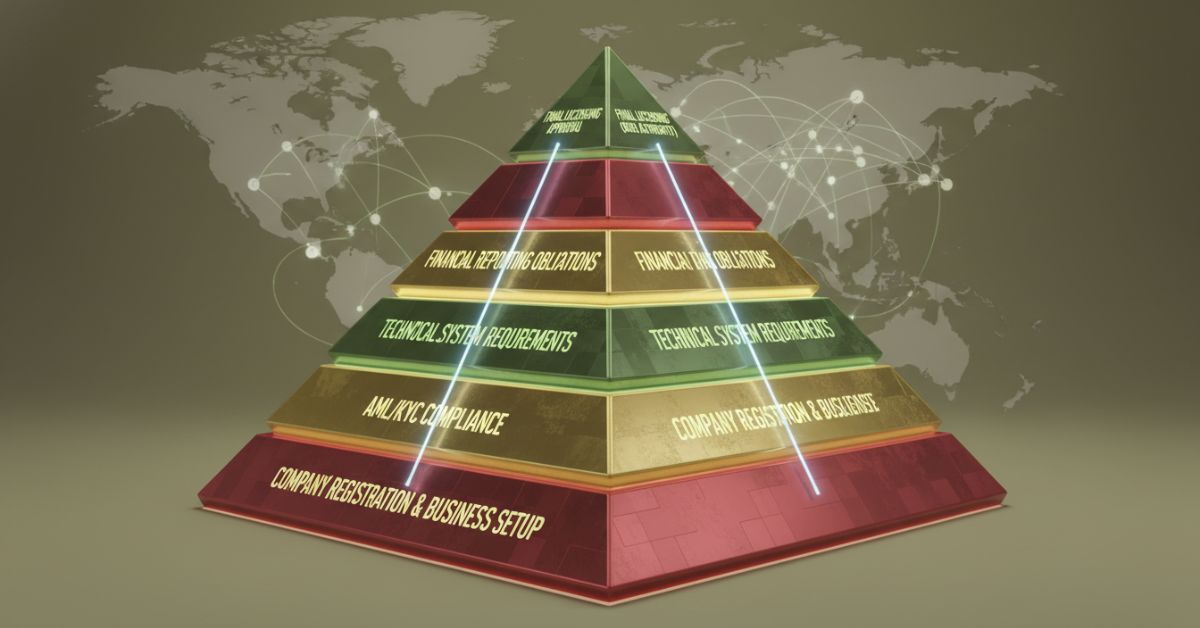
Kenya gaming license requirements include registering a Kenyan company, maintaining a local office, passing director and shareholder background checks, proving sufficient financial capacity, and obtaining technical approval for the gaming platform. The application involves document preparation, submission to the BCLB, compliance checks, and final approval.
The African online gaming business is expanding very rapidly, and Kenya is amongst the busiest markets. As the number of people using their mobile phones increases, and with a young population, more investors are considering the opportunities in gaming regulation in Kenya and in the wider East African gaming market. This expansion has also brought more attention to the appropriate legal gambling practices in Kenya.
And if you are planning to venture into this industry, then the first thing that you need to know is the Kenya gaming license requirements. Any business can run a betting or gaming business, but has to have a valid license granted by the Kenya Betting Control and Licensing Board (BCLB). Also contained in the rules are gaming compliance overview checks, which ensure companies abide by the right standards.
Emerging sports betting development in Africa is gaining popularity in Kenya because of mobile money networks and good digital connectivity. This is why it is a matter not only of business comfort, but also the surety of a safe and prosperous gaming business within this potential growth market.
Start Your Global Business
Journey Today
Whether you're launching a new venture or expanding globally, our experienced advisors provide tailored corporate and banking solutions designed for long-term success.
What is a Kenya Gaming License?
Kenya's online gaming market is one of the fastest-growing in Africa, driven by high mobile penetration and widespread digital payment adoption. Before launching a betting, casino, or online gaming business here, operators must secure a valid gaming license, the legal authorization confirming that the company meets Kenya's regulatory, financial, and technical standards.
To qualify, companies must complete proper company registration in Kenya, pass financial and background checks, and demonstrate a secure, fair gaming platform. This licence is the entry point into the East African gaming market, and understanding the requirements upfront is what separates a smooth approval from a rejected application.
Also Explore:
Costa Rica Gaming License: Easy Approval Guide
Why Kenya is Becoming a Hot Market for Online Gaming Businesses

Due to good mobile penetration and readily available electronic payments such as M-Pesa, Kenyon is rapidly expanding the online gaming market. This has facilitated the need for legal gambling activities in Kenya and made the regulation of gaming activities in Kenya more important than ever before.
Another way in which the country is also leading in sports betting growth in Africa, which is attracting a good number of international companies into the East African gaming market. However, to ensure proper entry, businesses still separately adhere to the strict Kenya gaming license requirements, such as compliance checks and financial approval.
Having a young population and increasing access to the internet, Kenya presents potential for firms in the gaming business in big ways. Meanwhile, the Kenya gaming license requirements would be crucial to any serious operator due to the fair play ensured by the gaming compliance overview rules.
Kenya Gaming License Requirements Explained
To legally operate in the Kenyan gaming industry all companies are required to meet certain rules that have been set by the Kenya Betting Control and Licensing Board (BCLB). It is these Kenya gaming license requirements that are set to ensure fair play, financial transparency, and appropriate gaming regulation in Kenya. A condition of it is that no operator will be able to provide betting or casino services in the country without having met these conditions. The following are the key requirements, discussed in a simple and comprehensible manner.
Note: Kenya Gaming License Requirements.
- Registration of a Company in Kenya: All operators are required to first have a registered legal firm in Kenya before applying. This is significant because gaming laws specify that licensed local parties, and only the licensed can run games. The business should be established with an adequate legal framework, as well as adhere to Kenyan law and corporate rules.
- Local Physical Presence and Office: This will need a registered office in Kenya that facilitates communication and inspections. This assists regulators in keeping check on their operations and maintaining legal gambling operations in Kenya. It also instills confidence among the authorities and users.
- Background Checks of Director and Shareholder: Strict background checks are required of all directors as well as the key shareholders. This involves checking financial history, checking the criminal background, and verifying identity. It vets those who operate gaming businesses to ensure that only trustworthy people run the gaming businesses.
- Financial Stability and Capital Proof: The companies have to demonstrate sufficient financial capability in order to be safe. These encompass bank documents, capital documentation, and revenue strategies. It facilitates gaming compliance audit criteria and ensures user safety.
- Technical Platform Approval: The regulators have to approve the gaming system or software. It must be safe, equitable, and open to the user. This is a prime component of the online betting and casino requirements for online betting and casino websites under the Kenyan gaming license.
These are tough yet required to sustain confidence in the gaming market in East Africa. With the increasing popularity of online betting, there is no better way to be successful in the long run as an online betting firm and operate legally in Kenya.
Also Explore:
Anjouan Gaming License Cost Explained Step by Step
Step-by-Step Process to Apply for a Gaming License in Kenya
The procedure for applying for a gaming license in Kenya is not very complex, although it has to be done rather carefully since the Kenya Betting Control and Licensing Board (BCLB) is very strict. These Kenyan gaming license stipulations have ensured that only honest and legitimate companies enter the market. This will entail legal establishment, preparing documents, and regulatory licensing under the proper gaming control in Kenya.
Step-by-Step Application Process
- In Kenya, company Formation is: The initial step is to incorporate a legal company in Kenya. This is a requirement since only locally registered organizations can submit a claim. The structure should be in accordance with corporate legislation and accommodate legal gambling practices in Kenya. In the absence of this, the application will not go on.
- Prepare Required Documents: Once you have been registered, you need to gather all the necessary information, such as business plans, Director information, and financial statements. These documents can be used to demonstrate adherence to the standards of the gaming compliance overview. Documentation is essential to avoid delays or rejection.
- Send Application to BCLB: When all is ready, the application is lodged with the Kenya Betting Control and Licensing Board. This incorporates all legal forms, charges, and supporting documents. The authority is keen enough to inform you of all the Kenya gaming license requirements and then proceed to the next stage.
- Background and Compliance Checks: The regulator carries out thorough investigative work on directors, shareholders, and the structure of the company. This caters to the East African gaming market, all the way to transparency and trust. Any problem in records or finances may delay approvals or lead to rejection.
- Technical or Final Approval Review articles: Finally, the gaming site is tested to ensure that it is secure, fair, and reliable. Once all this is satisfactory, the license is approved. This is the last step of the process of obtaining a Kenya gaming license and is the point at which it is possible to be legally run in Kenya.
Applying for a gaming license in Kenya involves five steps: company formation, document preparation, application submission to the regulator, background checks, and final technical approval.
Also Explore:
Cyprus Gaming License: Top Benefits Revealed
Gaming License Costs, Fees, and Renewal Process in Kenya Explained
Fees are an integral component in planning the game's operation in Kenya because licensing fees are a critical cost to consider. The Kenya Betting Control and Licensing Board (BCLB) charges different fees depending on the kind of business, such as betting, casino, or online betting business. These are the Kenya gaming license requirements, which also include annual taxes and renewal fees. Due to strict gaming regulations in Kenya, companies must carefully plan their budget before starting.
| Cost Component |
Typical Range |
| Application/initial license fee |
$10,000 – $50,000 (non-refundable) |
| Minimum capital requirement |
$100,000+ |
| Annual renewal fee |
$5,000 – $20,000 |
| Compliance/audit costs |
Ongoing, varies by operator |
Breakdown of COST, Fees, and Renewal
- Application and initial license fees: How much does a gaming license cost in Kenya? Application and licensing fees generally range from USD 10,000 to USD 50,000, depending on the license category (betting, casino, or online gaming). This fee is non-refundable and due at submission. It plays a crucial role in gaining access to the market of legally operated gambling businesses in Kenya.
- Capital and financial requirements: Moreover, companies need strong capital backing. Depending on the minimum requirements of the company, the minimum capital necessary for operation will be around 100,000 USD or more. This provides stability and conformance to the gaming conformance overview guidelines. That's because it also provides proof that the operator is treating players' money with scrutiny.
- Imposing taxes on gaming revenue: When in operation, the businesses are liable to pay taxes on Gross Gaming Income. In Kenya, this may involve taxes levied by the bettors, withholding taxes, and other regulatory fees. These are ongoing costs associated with the East African gaming market.
- Annual Renewal Fees: Licenses will not last forever, but will be renewed annually. The renewal fee for the license is generally between $5,000 and $20,000, contingent upon the type of license. Ensuring all the necessary factors for the Kenya gaming license requirements are met is crucial for approving the renewal process.
- The reasons for compliance and their costs: There are extra expenses involved, such as legal compliance testing and reporting requirements, as well as system audits. These help the business to comply with the gaming laws in Kenya. With proper compliance, penalties or suspension won't be incurred.
In general, costs are extremely tight and transparent, and it is aimed at providing a regulated, safer gaming industry in Kenya. As the sports betting industry expands in Africa, businesses must be aware of these costs upfront to ensure they can run smoothly and remain compliant in the region.
Also Explore:
Vanuatu Gaming License Made Simple for Beginners
Common Mistakes to Avoid When Applying for a Gaming License in Kenya
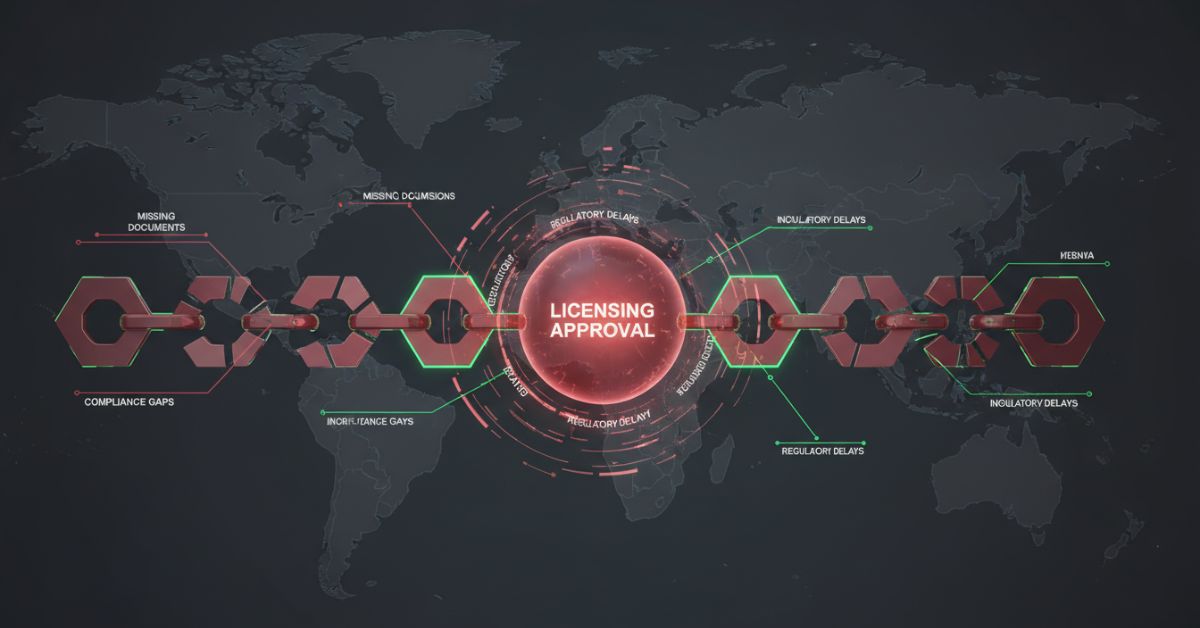
Many businesses on the verge of applying for a gaming license in Kenya fail without it being due to a bad opportunity, but precisely due to the fact that they miss important factors in the application process. Kenya Betting Control and Licensing Board (BCLB) has a very stringent Kenya gaming license application procedure; even minor errors can cause delays or rejection. The tight regulation of gaming in Kenya ensures that this is the case; the first time around, all elements must be accurate, transparent, and fully compliant.
These are the most common mistakes to avoid:
- Often, the documents are incomplete or inadequate in information content: The most common error is the inability to include the correct and complete documents. A mistake in the company's staff or budget could lead to rejection. Authorities do not want any exceptions or pardons for gaming compliance overview rules; all files will be double-checked before they are submitted.
- Not Registering a Proper Local Company: The only setback is that some investors attempt to register a company in Kenya without doing the paperwork properly. It is not legal under Kenyan gambling laws. Before beginning an application for any license, a legal entity in the area is required.
- Weak Financial Proof or Planning: The reason why many applications fail is due to the lack of financial stability that a company can provide. Regulators are seeking evidence proving the business would be successful in the East African gaming market. Meeting the requirements of the Kenyan gaming license, which requires funding, is very hard.
- Ignoring Regulatory Updates: Why have gaming laws in Kenya changed, and if they change again, it's a bad idea to ignore them. Companies need to be abreast of the current gambling regulations in Kenya to prevent penalties to their business. Avoid delays or rejection by following outdated compliance strategies.
- The Technical Platform is not correctly configured: Unapproved and weak gaming systems are another widespread problem. It should have a secure and fair platform and be thoroughly tested. It's worth repeating that the licence will not be granted even if all the other requirements are met if it does not pass technical review.
If you don't make these mistakes, then the application process will run more smoothly, and you will have a better chance of getting approved. The way in which sports betting is being introduced will be essential to judging success in the new sports betting market in Africa, and that relies on careful and compliant action.
Also Explore:
Costa Rica Gambling License Guide for 2026 Success
How Neptune Fiduciaries Helps You Get Licensed
Kenya has stringent gaming license requirements and extensive gaming regulations, which can make it difficult to obtain a gaming license in Kenya. Neptune Fiduciaries Group makes the process easy as orientation the investors through all the legal and compliance stages as outlined in the regulations made by the Kenya Betting Control and Licensing Board (BCLB).
They help with company registration in Kenya, document preparation, and adherence to gaming compliance standards that are set for legal gambling operations in Kenya. This minimizes errors, delays, and enhances the chances of getting approval for gaming in the East African gaming market.
Neptune Fiduciaries can also provide assistance in structuring and setting up an offshore bank, as well as complete licensing assistance. Clients can easily comply with Kenya gaming license requirements, allowing them to concentrate on the growth of their gaming enterprise seamlessly and in accordance with the law, with the aid of professional assistance.
For personalised assistance, consultation, or licence setup support, you can simply reach out through our Contact Us page.
Start Your Global Business
Journey Today
Whether you're launching a new venture or expanding globally, our experienced advisors provide tailored corporate and banking solutions designed for long-term success.
Conclusion
The gaming industry in Kenya is rapidly expanding and is also highly regulated by strict gaming regulations in Kenya. This is, therefore, crucial for anyone wishing to venture into this business to understand the gaming license requirements in Kenya.
Ensuring that all procedures and steps involved in the registration process to approval are stipulated by the Kenya Betting Control and Licensing Board (BCLB). Businesses that adopt legal gambling operations in Kenya are the only ones that can engage in a successful business in the East African gaming market.
To wrap up, understanding and adhering to the Kenya gaming license requirements can help you minimize delays, comply with regulations, and create a secure and reputable gaming enterprise in Kenya.
FAQs
Is gambling legal in Kenya?
Yes. Betting, casino, and online gaming are legal in Kenya when operated under a valid license from the country's gaming regulator, with compliance with financial, technical, and background-check requirements.
Can anyone get a gambling license in Kenya?
No, applicants must have a registered Kenyan company, pass director and shareholder background checks, prove sufficient capital, and have their gaming platform technically approved before a license is granted.
How much do I need to start a betting company in Kenya?
Minimum capital requirements are typically around $100,000 or more, in addition to the non-refundable application fee of $10,000–$50,000.
How often does a Kenya gaming license need to be renewed?
Licenses are renewed annually, with renewal fees typically ranging from $5,000 to $20,000 depending on license type.