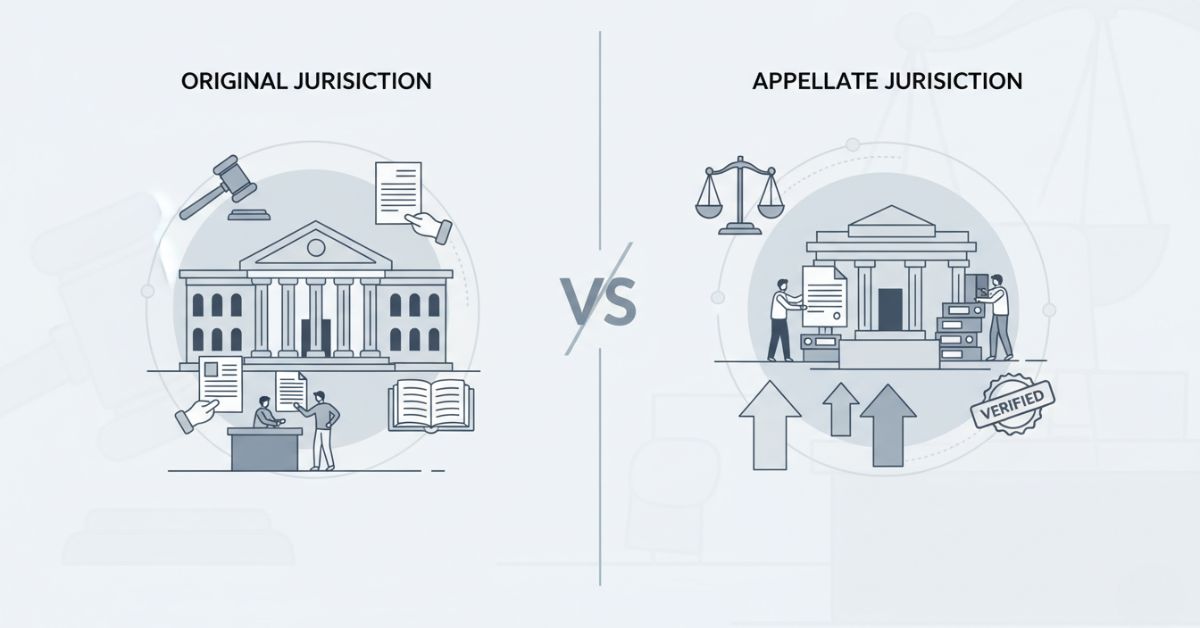
In legal proceedings, understanding where and how a case is heard is just as important as the case itself. Two key concepts that often arise are Original vs Appellate Jurisdiction.
While they may sound technical, the distinction is straightforward and important for anyone involved in legal or regulatory matters.
Start Your Global Business
Journey Today
Whether you're launching a new venture or expanding globally, our experienced advisors provide tailored corporate and banking solutions designed for long-term success.
What Is Jurisdiction?
Jurisdiction refers to a court’s legal authority to hear and decide a case. Not all courts have the same powers. Some courts hear cases for the first time, while others review decisions that have already been made.
This is where the distinction between original and appellate jurisdiction comes in.
Also Explore:
What Is Jurisdiction? Unlock Its Power in Global Business
What Is Original Jurisdiction?
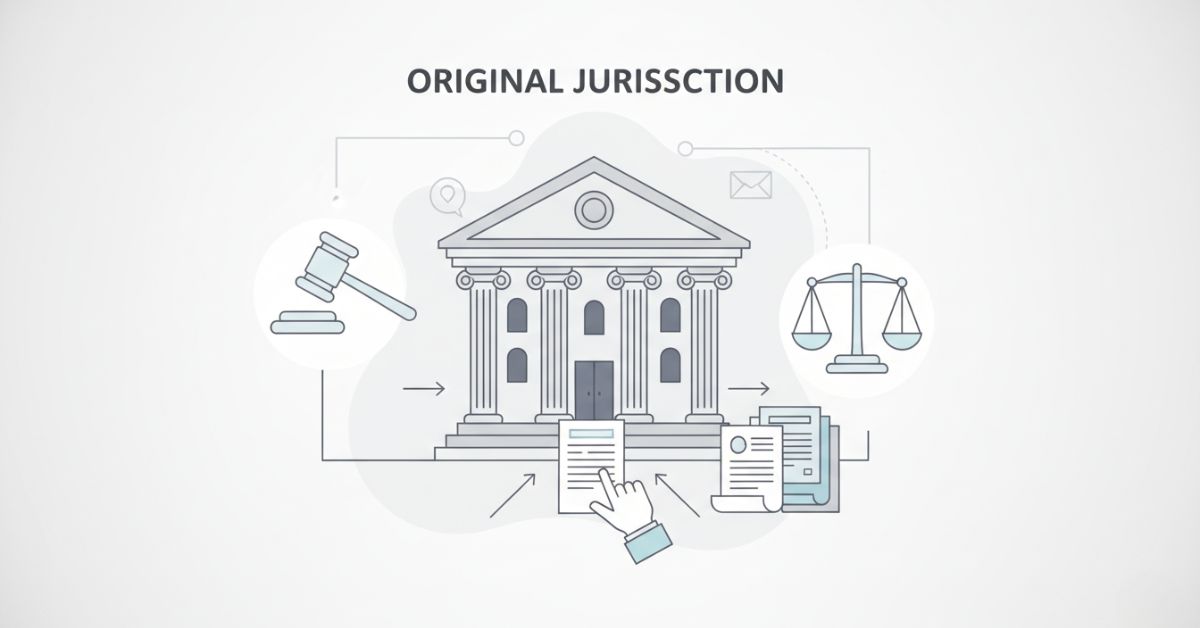
Original jurisdiction refers to the authority of a court to hear a case for the first time.
This is the stage where:
- Evidence is presented
- Witnesses may be called
- Facts are established
- A decision (judgment) is made
In simple terms, this is where a case begins.
Typical Examples
Courts exercising original jurisdiction may handle:
- Civil disputes (e.g. contracts, property matters)
- Criminal cases
- Constitutional matters (in certain higher courts)
In some jurisdictions, higher courts may also have original jurisdiction in special or high-value matters, depending on the legal framework.
Also Explore:
Best Jurisdictions for Online Business: A Practical Guide by Neptune
What Is Appellate Jurisdiction?
Appellate jurisdiction refers to the authority of a court to review and possibly revise a decision made by a lower court.
This does not involve starting a case from scratch. Instead, the court examines:
- Whether the law was applied correctly
- Whether proper procedures were followed
- Whether the decision was reasonable based on the evidence
Key Point
Appellate courts generally do not rehear all the evidence or call new witnesses. Their role is to assess the correctness of the earlier decision.
Key Differences Between Original vs Appellate Jurisdiction
| Aspect |
Original Jurisdiction |
Appellate Jurisdiction |
| Stage of Case |
First hearing |
Review stage |
| Role of the Court |
Examines facts and evidence |
Reviews legal decisions |
| Evidence |
Presented and tested |
Usually not re-examined fully |
| Outcome |
Initial judgment |
May confirm, reverse, or modify the decision |
Practical Insight: Why This Distinction Matters
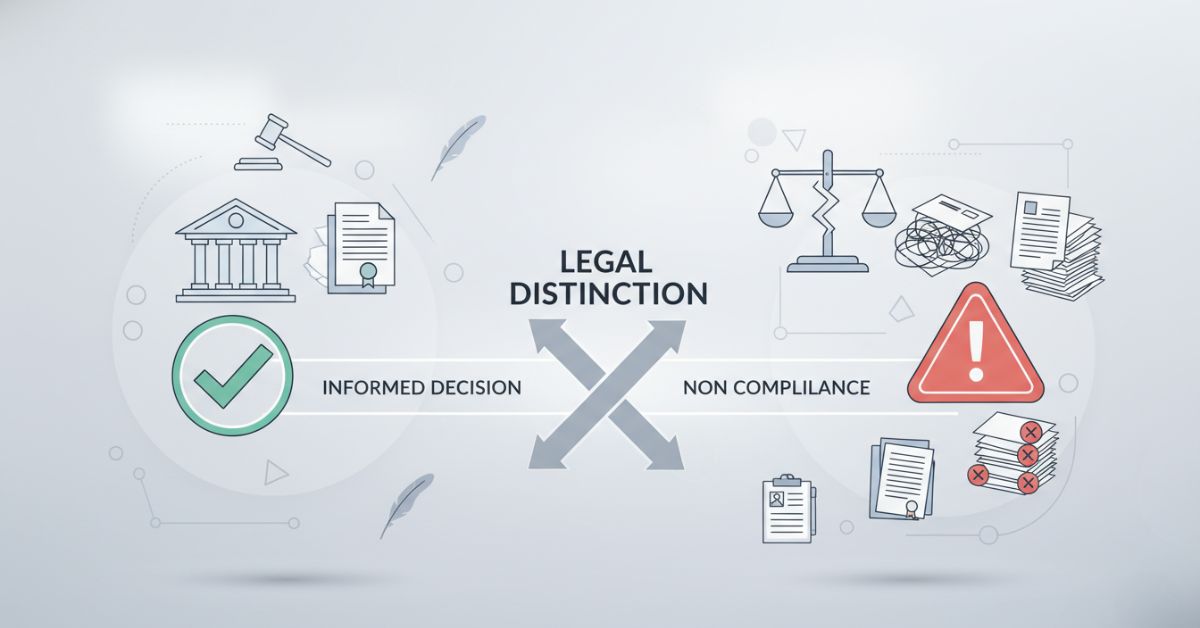
1. Choosing the Right Court
Filing a case in the wrong court can lead to delays or dismissal. Knowing whether a matter falls under original jurisdiction ensures the case starts in the correct forum.
2. Managing Expectations in Appeals
Many assume an appeal is a “second chance” to present their case. In reality, appeals are focused on legal errors, not re-arguing the entire matter.
3. Time and Cost Considerations
Appeals can be time-consuming and costly. A strong case at the original stage is often the most effective way to reduce long-term legal exposure.
4. Strategic Legal Planning
For businesses and individuals, understanding jurisdiction helps in:
- Structuring disputes effectively
- Assessing legal risk
- Planning litigation or settlement strategies
Also Explore:
Offshore Jurisdiction Corporate Services: Smart Business Guide
Start Your Global Business
Journey Today
Whether you're launching a new venture or expanding globally, our experienced advisors provide tailored corporate and banking solutions designed for long-term success.
How Neptune Fiduciaries Group Can Help
At Neptune Corporate Group, we work with clients navigating legal, regulatory, and cross-border matters where Original vs Appellate Jurisdiction plays a critical role.
Our support includes:
- Coordinating with legal counsel across jurisdictions
- Assisting with documentation and compliance requirements
- Providing strategic insight to support informed decision-making
For further information or a confidential discussion, please contact:
📩 sales@neptunecorporate.com