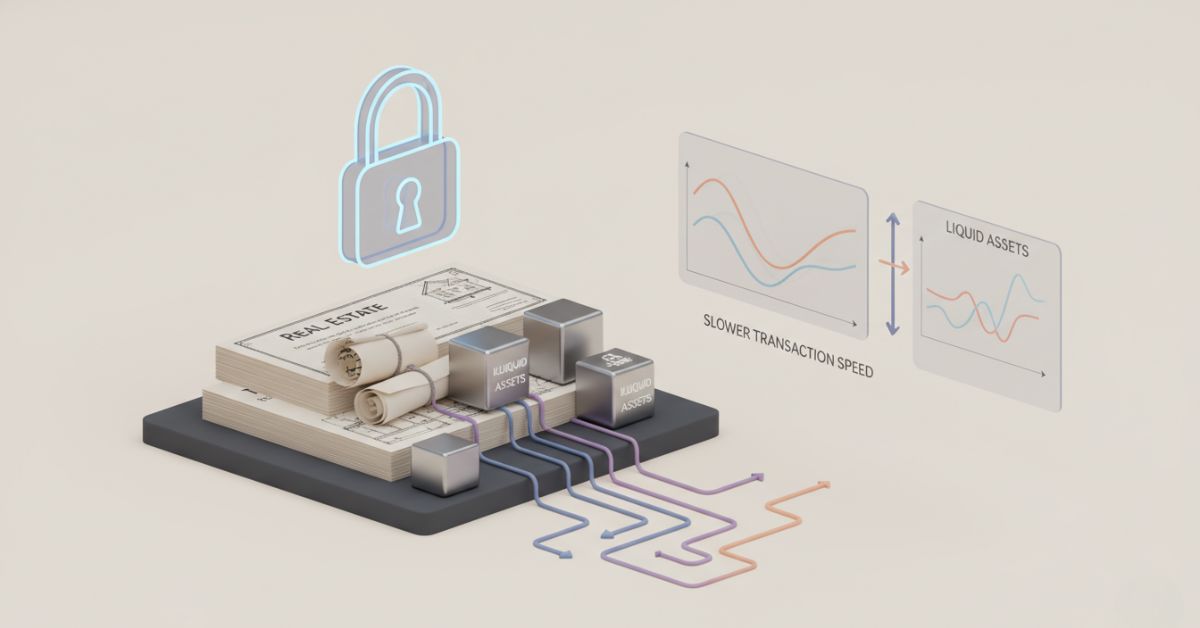
Liquidity is one of the most important yet often overlooked factors in investing. While returns and risk usually take center stage, how quickly you can access your money can be just as critical.
A common question we encounter is: “Which Investment Has the Least Liquidity?”
Understanding this can help you make better decisions, especially when balancing long-term growth with short-term financial needs.
What Is Liquidity in Simple Terms?
Liquidity refers to how easily an investment can be converted into cash without losing value.
- High liquidity: You can sell quickly (e.g., publicly traded stocks)
- Low liquidity: It may take time to sell, and you may need to accept a lower price
The less liquid an investment is, the harder it is to access your funds when needed.
Which Investment Has the Least Liquidity?
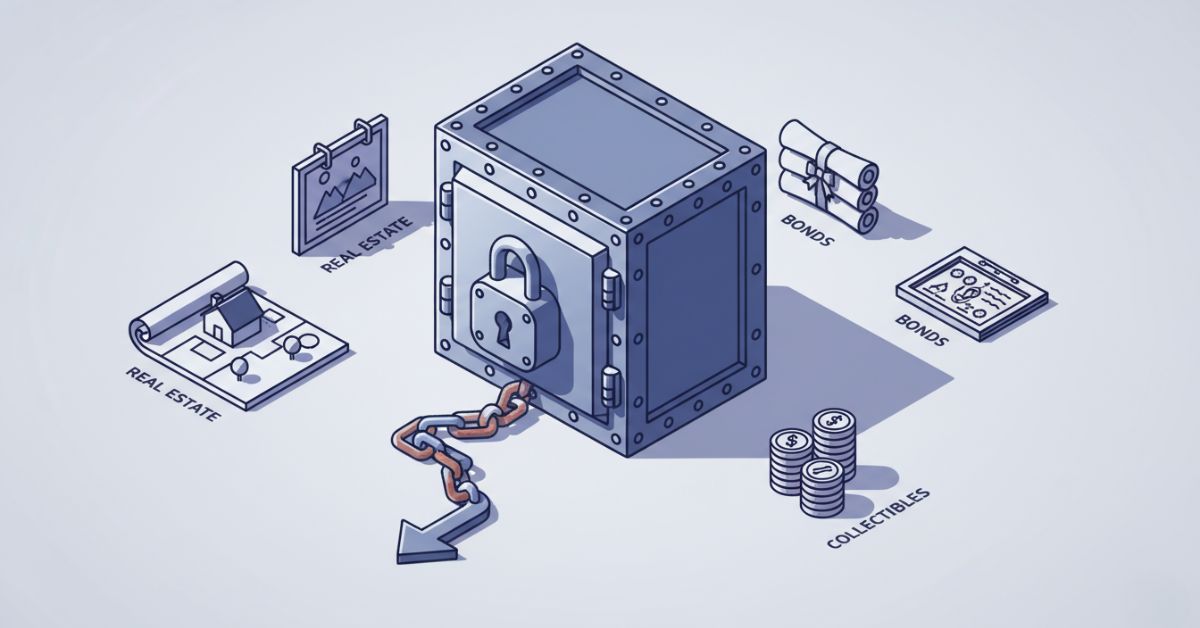
Some investments are designed for long-term holding and are naturally less liquid. Below are the most common examples:
1. Private Equity
Private equity investments involve buying shares in privately held companies.
These are among the least liquid investments because:
- There is no public market to sell shares
- Exit usually depends on a sale, merger, or IPO
- Investment periods can last 5 to 10 years or more
Practical insight: Investors often underestimate how long their capital will be locked in. Early exit options are limited and may come at a discount.
2. Real Estate
Property is a classic example of a low-liquidity asset.
- Selling takes time (weeks or months)
- Transaction costs are high
- Market conditions can delay or reduce the sale value
Practical insight: Even in strong markets, real estate cannot be liquidated quickly without price concessions.
3. Hedge Funds (with Lock-In Periods)
Some hedge funds impose lock-up periods, during which investors cannot withdraw funds.
- Lock-in periods can range from months to several years
- Withdrawals may only be allowed at specific intervals
Practical insight: Always review redemption terms carefully—liquidity can be more restricted than expected.
4. Venture Capital Investments
Venture capital involves investing in early-stage companies, which carries both high risk and low liquidity.
- No ready market for shares
- High failure rate
- Returns depend on long-term growth or exit events
Practical insight: Capital is typically tied up for extended periods with uncertain timelines.
5. Collectibles and Alternative Assets
Assets such as:
- Art
- Rare coins
- Vintage cars
They are highly illiquid because:
- Buyers are limited
- Value is subjective
- Sales can take significant time
Practical insight: Even if valuable, these assets may not generate quick cash when needed.
Also Explore:
Assets and Investment Management: Grow Wealth Smartly
Why Low Liquidity Can Be Risky
Low-liquidity Investments are not inherently bad—but they require careful planning.
- Limited access to cash during emergencies
- Forced sales at lower prices
- Uncertain exit timelines
- Dependence on market conditions or third parties
Balancing Liquidity in Your Portfolio
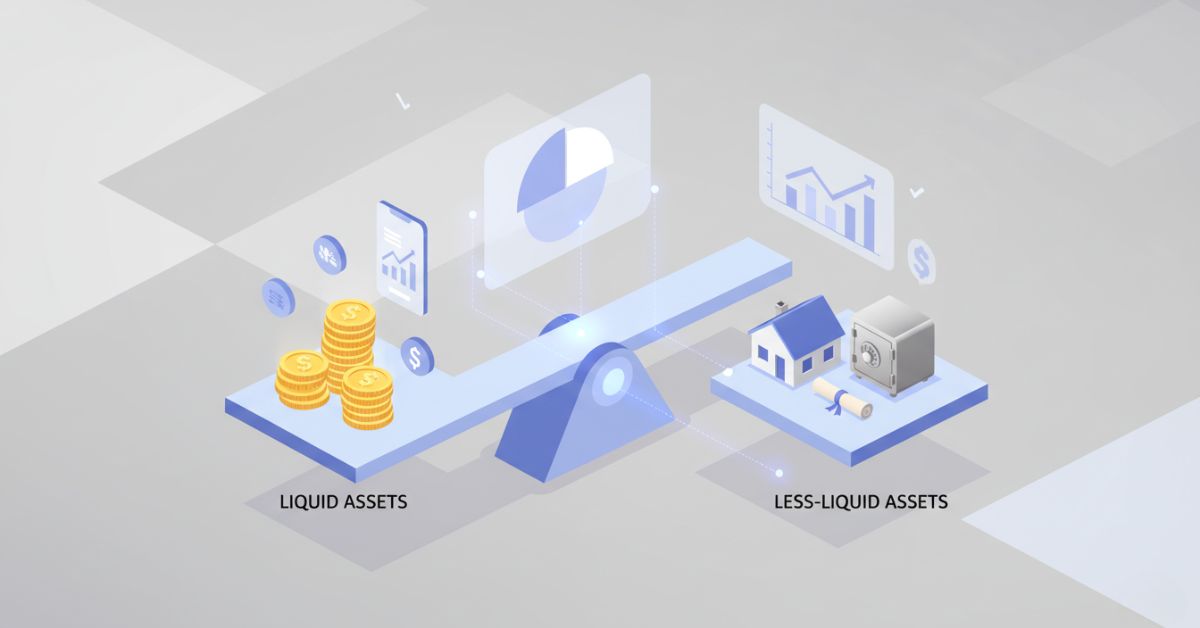
A well-structured portfolio typically includes a mix of:
- Liquid assets (cash, listed securities)
- Less liquid assets (real estate, private investment funds Services )
This balance helps ensure you can:
- Meet short-term obligations
- Take advantage of opportunities
- Avoid selling long-term investments at the wrong time
Practical Insight: A Common Mistake
Many investors focus heavily on returns and overlook liquidity.
A portfolio that looks strong on paper can become problematic if too much capital is tied up in illiquid assets.
A useful approach is to always ask:
“How quickly can I access this money if I need it?”
How Neptune Fiduciaries Group Can Help
At Neptune Corporate Group, we support clients in structuring portfolios that balance growth, risk, and Which Investment Has the Least Liquidity.
Our approach includes:
- Assessing liquidity needs alongside investment goals
- Structuring assets across jurisdictions
- Providing guidance on long-term and illiquid
For further information or a confidential discussion, please contact:
📩 sales@neptunecorporate.com