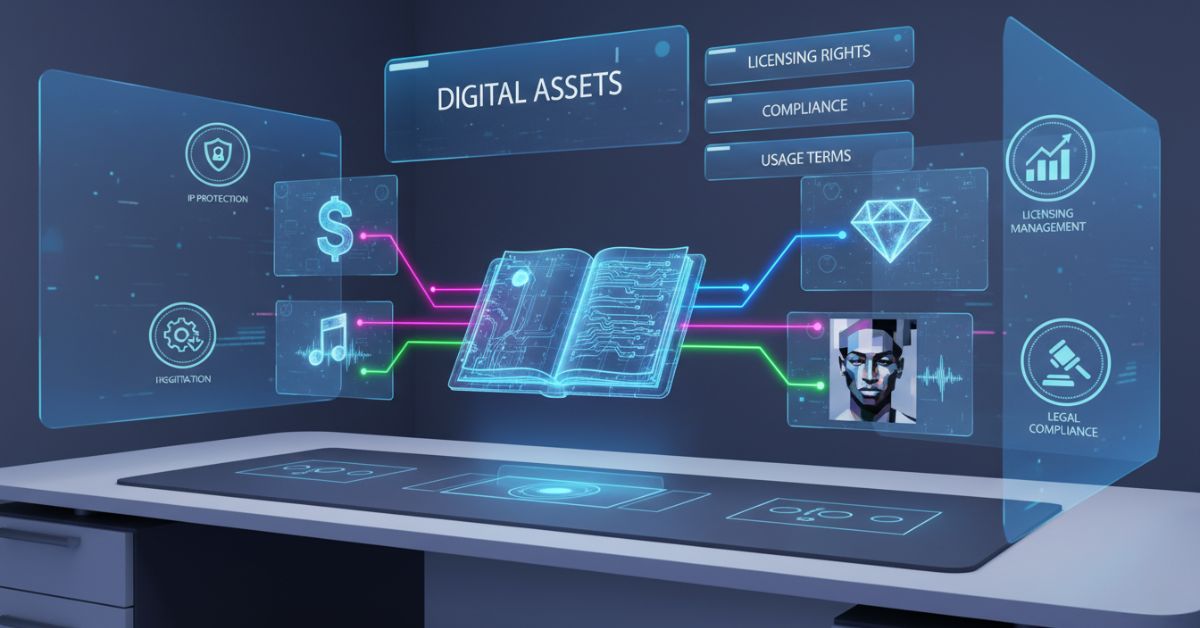
Nowadays, in the digital environment, nearly all things, including art and music, software, and cryptocurrencies, have their existence online. This brings a critical question: How about digital assets licensing?
In simple terms, it is a legal means of regulating online property and other digital rights to ensure that the creators of the work are given the right and that the business does not infringe upon it. With smart contracts and blockchain security, artists could manage the ownership and receive royalties automatically.
The market of digital assets is in a boom, and it is projected to be more than 500 billion by the year 2030. The conceptualisation of what is digital assets licensing assists creators and businesses in securing their intellectual property in digital assets and thriving in the expanding digital economy.
Start Your Global Business
Journey Today
Whether you're launching a new venture or expanding globally, our experienced advisors provide tailored corporate and banking solutions designed for long-term success.
What is Digital Assets Licensing?
Now that we know the significance of digital assets, we want to know what is digital assets licensing. In its simplest use, it is a legal contract that determines the legality of how a digital asset, such as music, digital art, software, or NFTs, can be utilised, distributed, or sold. Licensing assists in safeguarding digital copyrights and provides security for intellectual property rights to artists and corporations.
Digital licenses are divided into several types in accordance with the use: exclusive licenses provide an individual with exclusive rights, non-exclusive licenses allow the right to use the asset, and royalty-free licenses allow the right to use the asset once and use it several times. Creative Commons licenses are also used by some creators in sharing work with conditions attached.
A proper license is also important to businesses. It will ensure that the rights of usage are transparent, lessen the risks of lawsuits, and assist in managing the digital rights effectively. More than 60 per cent of the conflicts in the digital content are due to the fact that the rules of licensing were not explicitly known, which demonstrates why online content licensing is necessary. Under the appropriate license, digital property can be safeguarded, shared securely, and even the growing digital economy can be monetised.
Also Explore:
Benefits of International Licensing: Unlock Global Growth
How Digital Assets Licensing Works: Step by Step
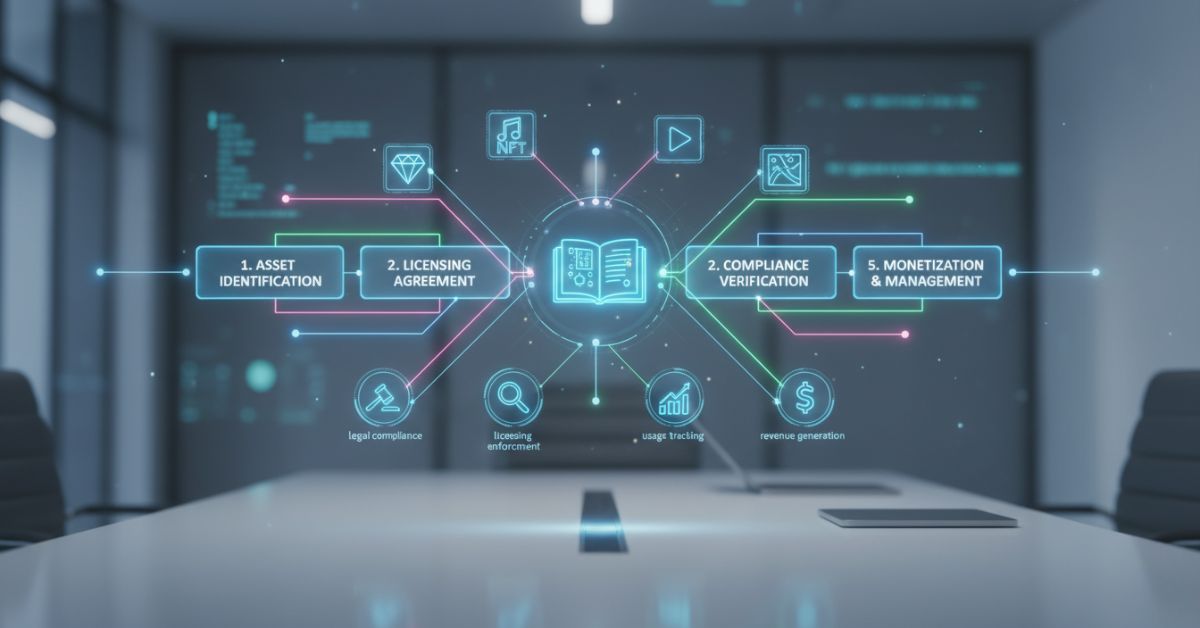
After knowing what is digital assets licensing, it would be imperative to know how it works in practice. The licensing is not a mere formality of the law, but it establishes explicit regulations concerning who is allowed to use digital asset services, in what way, and within what time. The process upholds the enforcement of rights to the digital contents and protection of the creators or businesses against illegal usage.
- Creation and Ownership: The first one is the development of the digital asset and the establishment of ownership. This makes sure that the individual or corporation licensing the asset can use it as they want and is legally able to regulate the distribution.
- Selection of the License Type: The creator should select the type of license depending on the purpose of the intended use: exclusive, non-exclusive, royalty-free, or Creative Commons. This determines the content protection guidelines and usage by others.
- Writing the Licensing Agreement: A licensing agreement is a written document specifying the terms and conditions of the agreement, like permitted usage, duration, fees, and limitations. This document is essential in the case of licensing arrangements and averts a possible dispute.
- Distribution and Tracking: The digital asset is licensed, and after that can be distributed or sold as per the agreement. Smart contracts on blockchain platforms are now being utilised by many creators to automatically monitor ownership, impose royalties, and enforce compliance.
- Monitoring and Enforcement: It is important to monitor usage even after the license has been issued. The digital rights management services assist in identifying abuse and make sure that every user follows the license conditions.
Improved through these steps, creators and businesses will maximise digital assets licensing. Not only does it enhance the protection of intellectual property, but it also creates the prospects of making money and the safe delivery of online content in the emerging digital economy.
Also Explore:
Top 5 Best Offshore Jurisdictions for Banking Licenses
Benefits of Digital Assets Licensing
After understanding how digital assets licensing operates, it is easy to realise that it has numerous benefits to creators, businesses, and investors. Licensing not only guards the content but also ensures that assets are used legally, helps to monetise assets and fosters trust in the digital economy. These are the benefits that can make anyone maximise their digital investments.
- Prevents Digital Copyright Violations: The protection through licensing grants the creator or owner the complete right to his or her work. It becomes significantly difficult to deal with unauthorised copying, distribution, or misuse while protecting digital rights and ensuring the security of intellectual property.
- Monetisation Opportunities: An asset that has been licensed digitally can be used to generate income as a royalty, subscription, or commercial usage. Monetisation of digital assets can be easily and transparently achieved because the businesses and creators are allowed to maximise earnings while retaining control over the usage of the asset.
- Legal and Copyright Enforcement: An appropriate license is a lawful agreement that causes the enforcement of copyright laws and the establishment of the management regulations of intellectual property. It minimises conflicts, and all users abide by the terms, securing the creators in international markets.
- Safe Sharing and Transactions: Licensed digital objects can be transferred between platforms or other partners without hesitation. With the help of safe online transactions and blockchain tracking, creators understand that their properties are used properly and legally, and they cannot be misused.
- Enhances Credibility and Trust: Companies that make use of licensed assets show integrity and professionalism. This fosters confidence among the clients, partners and customers and demonstrates a dedication to ethical and legal regulations within the digital economy.
Having these advantages, it is not hard to understand why licensing of digital assets is a necessity for both creators and businesses. It protects online content, opens up monetisation opportunities, and facilitates legal and easy cross-platform use of the content worldwide.
Also Explore:
What Is Banking Licensing? Your Ultimate Guide
Common Challenges in Digital Assets Licensing
Although the idea of digital assets licensing has numerous advantages, it does not operate without any difficulties. The legal technical, and operational challenges encountered by creators and businesses require them to undertake these challenges in order to defend their digital property. These are the issues that are common, and understanding them would aid in the planning and make the process of licensing easier.
- Piracy and Unauthorised Use: Digital properties can be copied and shared without meeting any obligation. Piracy is still a threat in the face of licensing, so it is necessary to develop powerful means of preventing digital rights disputes.
- Cross-Border Licensing Issues: Companies tend to conduct business in different countries; however, licensing regulations are different. Licensing across borders may create an issue of confusion regarding compliance, enforceability, and the applicable law that takes effect in the event of a conflict.
- Lack of Clarity about Ownership: There are occasions when there is a multiplicity of ownership of a digital asset. This causes intellectual property clashes, which may postpone the issuance of licenses or may cause a legal battle in case agreements are not well-documented.
- Compliance and Regulatory Risk: New digital platforms, cryptocurrencies, and NFTs can be governed by various regulations based on the region. It is important to remain abreast of the local laws and regulations to prevent compliance risks and fines.
- Technical Implementation Issues: Despite the use of smart contracts or blockchain tracking, it may be difficult to track usage and avoid misuse. Digital rights management tools should be well implemented in order to be properly enforced.
With this understanding, creators and companies are able to educate themselves on the challenges and take proactive measures to ensure their work is secure, their intellectual property is preserved, and their digital assets licensing agreements are both lawful and legally enforceable regardless of the country or state in which they are registered.
Also Explore:
Comoros Forex License: Complete Guide for Forex Brokers
The Future of Digital Asset Licensing
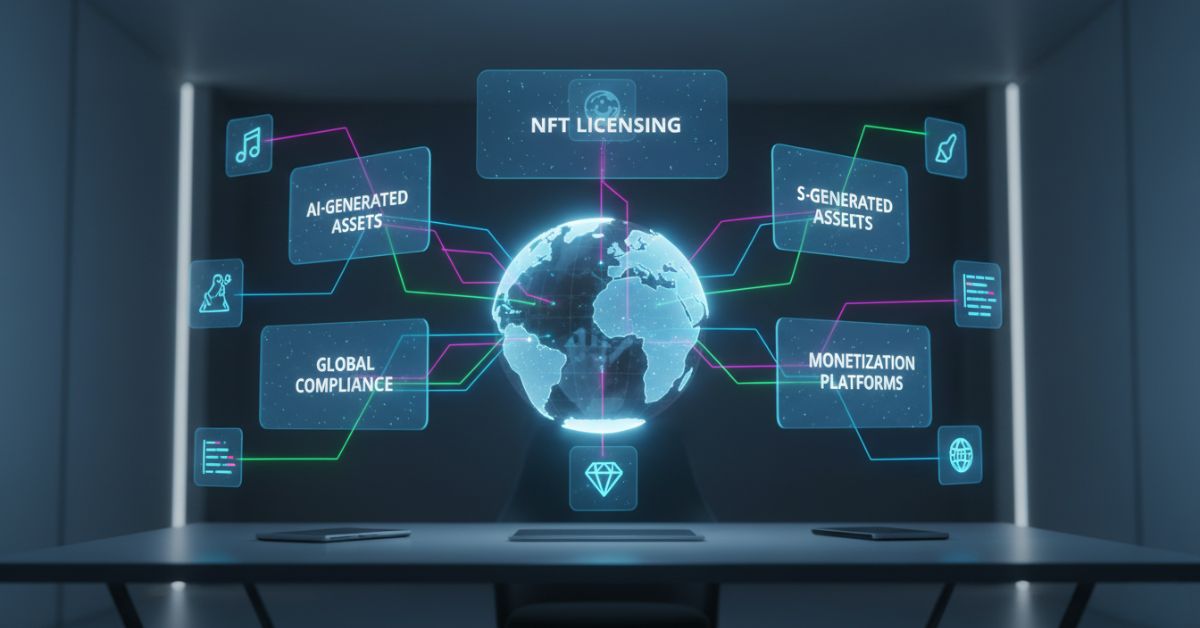
The future of digital assets licensing is becoming more secure and efficient with technologies like blockchain licensing and smart contracts. The tools enable makers to protect intellectual property rights, automatically monitor usage, and decrease court cases across borders.
Decentralised content management is increasingly becoming popular, where businesses and artists can directly license assets and retain control over the digital ownership trends. AI and analytics also aid in tracking usage, maximising licenses, and equitable monetisation.
In the future, the concept of digital assets licensing will play an important role in its growth and protection, allowing the business to remain on the right side of the law, protect its work, and open new sources of revenue in the changing digital economy.
Also Explore:
What is Insurance Licensing? How to Get Licensed Fast
Why Neptune Corporate is a Trust Choice for Digital Assets Licensing
Digital asset management can be complicated, and more so when going international. The process of licensing the business with digital assets is easy and safe with the support of NeptuneCorporate , which assists businesses with expert help in forming the offshore company and provides corporate compliance.
We provide registered agent services and lead customers through the process of writing licensing agreements that secure the rights of digital data at the same time as remaining within the law. This allows the businesses to concentrate on growth and monetisation without the fear of legal setbacks.
We also provide services to set up bank accounts, registering of trusts and foundations, and other corporate requirements, which provides firms with a full package of the digital management of assets. When Neptune Corporate is chosen, it would be a partner of trust to secure, compliant, and efficient licensing of digital assets.
Start Your Global Business
Journey Today
Whether you're launching a new venture or expanding globally, our experienced advisors provide tailored corporate and banking solutions designed for long-term success.
Conclusion
Licensing of digital assets is one of the topics that creators and businesses must understand and apply in the current fast-paced digital economy. Intellectual Property guarantees that intellectual property is safe because of proper licensing, digital rights are safeguarded, and assets can be shared or monetised without fear. When deciding on the appropriate type of licensing to use and writing contracts and tracking their use, each step will assist in protecting digital content and eliminating illegal use.
Companies and artists What is Digital Assets Licensing can not only protect their work but also create a chance to earn money, cooperate worldwide, and be legally responsible. Using the services of such established service providers as Neptune Corporate will provide an easy, seamless process of licensing, asset protection, and staying in compliance across the jurisdictions.